
Create Media That Earns Attention and Trust
DIGITAL MEDIA COACHING FOR FOUNDERS & EXPERTS
I help founders and experts develop distinctive podcasts, communicate naturally on camera, and put their voice on the page.
With 20+ years across TV, radio, podcasting, video, and content marketing, plus two master’s degrees in professional and strategic communication, I bring both media experience and communication expertise to the work.

Why is it so incredibly hard to sound like yourself online?
TV, radio, and movies feature “professional” personalities, performance and polish. Meanwhile, “marketing” copy sounds generic and nobody wants to be accused of “AI Slop.”
But your video and podcast audience has a very different expectation of you.
They don’t want performance and polish. And your speaking voice can turn into copy that won’t get confused with being templated or AI-generated.
The key isn’t focusing on “confidence” on camera, but comfort.
After working with expert media pros, executives, actors, and newcomers…
I now help founders and experts bring their unique voices to podcasts, video, and writing.
On camera coaching that helps you comfortably communicate your expertise in a natural and engaging way.
Podcast coaching that can cover everything from show development and differentiation to on-air presence and style.
Bringing your voice onto the page by repurposing video and audio or helping you write in your voice.
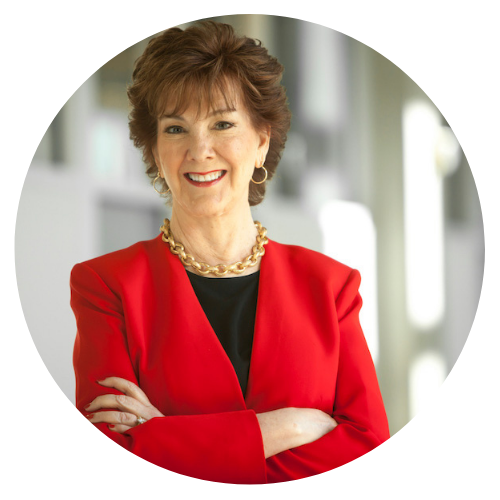
“Scott Murray is a consummate professional who epitomizes intelligence, creativity and customer service. He is a natural strategic thinker who can visualize all aspects of a project from conception to completion. He makes every member of a team feel valued; and working with him ensures a positive experience for everyone involved.”
Mary Anne Alhadeff
Former President & CEO of North Texas Public Broadcasting
What does it take to create a better business podcast?
With more podcasts competing for attention, experts are increasingly emphasizing creativity, better conversations, and higher quality to stand out and gain subscribers.
This creates new questions for founders and experts:
Do I need to spend a lot of time and money on a podcast?
What else can I do to be different from other podcasts in my industry?
How do I know if my show is successful?
How do I build subscribers, trust and authority with my listeners?
Is it even worth having a podcast today?
Yes, it is worth having a business podcast!
Lack of quality and creativity is an opportunity. And you don’t need a big budget to make it happen.
A natural on-air presence and stronger interview skills can build trust and authority without sacrificing your personal style
You don’t have to figure this out alone.
I’ll work with you on developing a new show or improving an existing one, from concept and format to interviews and on-air delivery. We’ll also define what success looks like and make smarter production decisions.
Is it too late to start a business podcast in 2026?
Do you need video to start a podcast?
Creating a Positive Listener Experience Began in Radio
At KERA (North Texas Public Broadcasting) in Dallas, I led an overhaul of the station’s on-air fundraising strategy and production that helped set fundraising records and shorten drives.
I produced live radio, coached on-air talent (including executives), created original audio content and stepped behind the mic when needed.
By 2011, I was bringing that experience into podcasting. I interviewed celebrities, built loyal audiences, developed creative formats and later helped other podcasters launch distinctive shows of their own.
Eventually, I brought the same approach to podcasts for businesses and professionals.
Today, concept, creativity, conversation, format and audience experience can be what separates a business podcast from others.
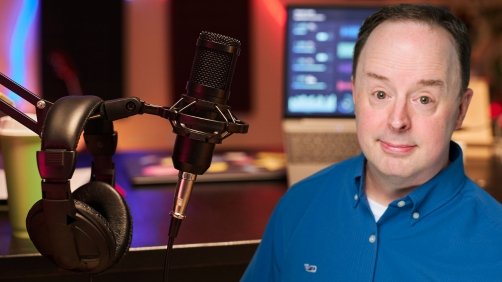

"Scott is a great resource and thought leader when it comes to podcasts. He helped us figure out our podcast strategy for our tax firm. I would recommend working with him."
Miguel Alexander Centeno
CEO of Centurion Firm
Why does the camera make it so hard to talk like yourself?
You know how to talk about what you know. But turn on a camera and suddenly you freeze, record several takes, or publish something while thinking, “That doesn’t sound like me.”
You can get comfortable enough to speak naturally, keep your personality, and create videos you’re actually happy to put your name on.
If a script helps, it can still sound like you. If conversation works better, prompts and interviews can get you there.
The camera is a portal to someone who wants to learn what you know. Comfort in front of the camera makes it easier to create consistently, build trust and rapport, and let your audience get to know the real you.
We’ll find the way you communicate best on camera.
There isn’t one right way to speak on camera. You might be better with a few talking points, answering questions, working from a script, or simply having someone help you shape what you want to say.
We’ll figure that out together. I pay attention to the words you naturally use, how you explain ideas, where you sound most comfortable, and let you see the difference. Then we can practice, adjust, and build an approach that feels natural enough to use again.
The goal isn’t to teach you somebody else’s on-camera formula. It’s to help you find yours.
Media experience and the right working relationship matter.
I was working in video and television before I ever moved into radio or podcasting. I’ve been a floor director, live TV producer, director, writer and on-camera coach, working with everyone from experienced professionals to first-timers. What hasn’t changed is how I work with people.
I listen for how you naturally communicate, what makes you uncomfortable, and what happens when the camera comes on.
Then we work together to find an approach that fits you and resonates with your specific audience.
The goal isn’t a polished media performance. It’s to communicate naturally, make your business more human, and build a real connection with the person watching.
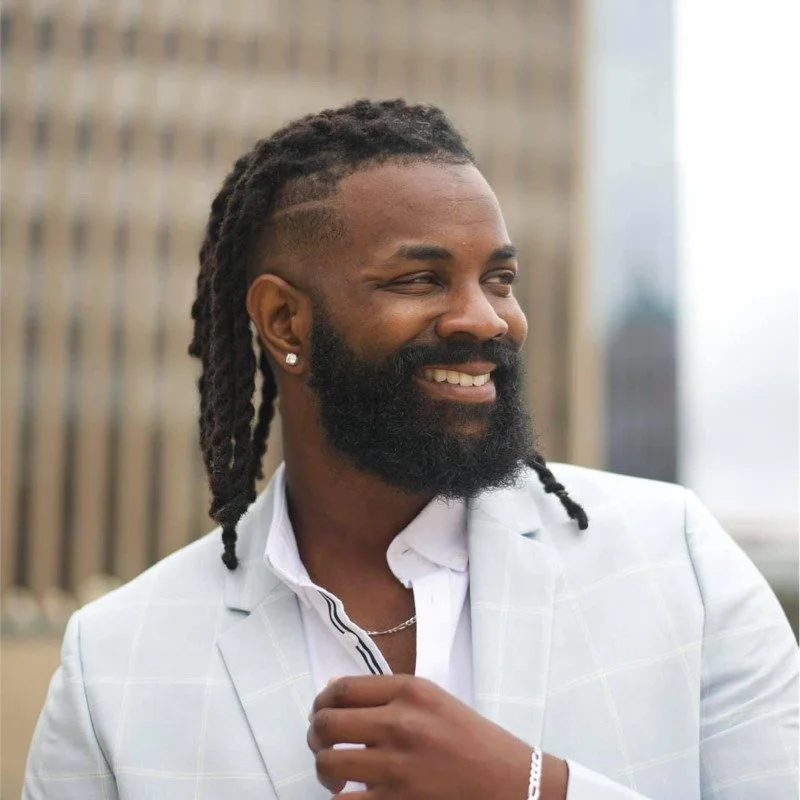
“Scott created a comfortable and encouraging environment that allowed me to experiment with different styles and techniques, ultimately helping me find my unique voice as a presenter. His feedback was always constructive, helping me refine my delivery
and presentation skills while maintaining authenticity.”
Dallas Jones
IT Professional
How do you make your writing actually sound like you?

You can usually tell when it doesn’t. It feels generic or like something almost anyone in your industry, or AI, could have written. And you may not want to hand your voice over to someone else.
You don’t have to choose between the two.
Your spoken voice can become the starting point for social posts, emails, newsletters, DMs and scripts.
Feedback, editing and comparison can help you hear the difference between what sounds like you and what sounds like marketing copy.
Plus, we’ll consider both sides of the message: how your words sound and how someone is likely to interpret them.
We’ll ensure people recognize your written voice.
I first learned to do this in TV and radio, writing for other people’s voices and learning to hear how they naturally communicate.
Maybe you already write your own posts, emails or scripts, but you want another set of eyes on them.
I can help you determine where it sounds natural, where it starts sounding like marketing, and what you might try instead.
Or maybe you know exactly what you want to say when we talk about it, but you have trouble getting that same voice onto the page.
We can use conversation, video interviews, before-and-after examples, editing and feedback to make that connection easier to see.
The goal is to read it and think, “Yes. That sounds like me. That’s what I wanted to say.”

“Scott took the general, value prop heavy copy I created and made it compelling, informative, and relatable. No wonder he does this for a living.”
Shelby Roehre
Product Marketing Manager, EdTech
I didn’t expect my media background to play such a big role in business. But when I stepped into content marketing in 2012, I could already see content strategy starting to shift.
Over the next decade, I approached content as communication while:
Audiences wanted less corporate marketing and more human connection with the people behind the brand.
Businesses had to change how they communicated through social media, email and other content.
Video and podcasting offered powerful ways to make human connections between brand and audience.
After starting my own business in 2022, I earned two master’s degrees in professional and strategic communication bringing more depth to my work helping founders and experts sound like themselves on camera, on mic and on the page.
It’s about person-to-person communication
Start With a Conversation.
Tell me what you’re working on and what you’d like to improve. We’ll talk it through, figure out what kind of help would be useful, and decide whether it makes sense to work together.